
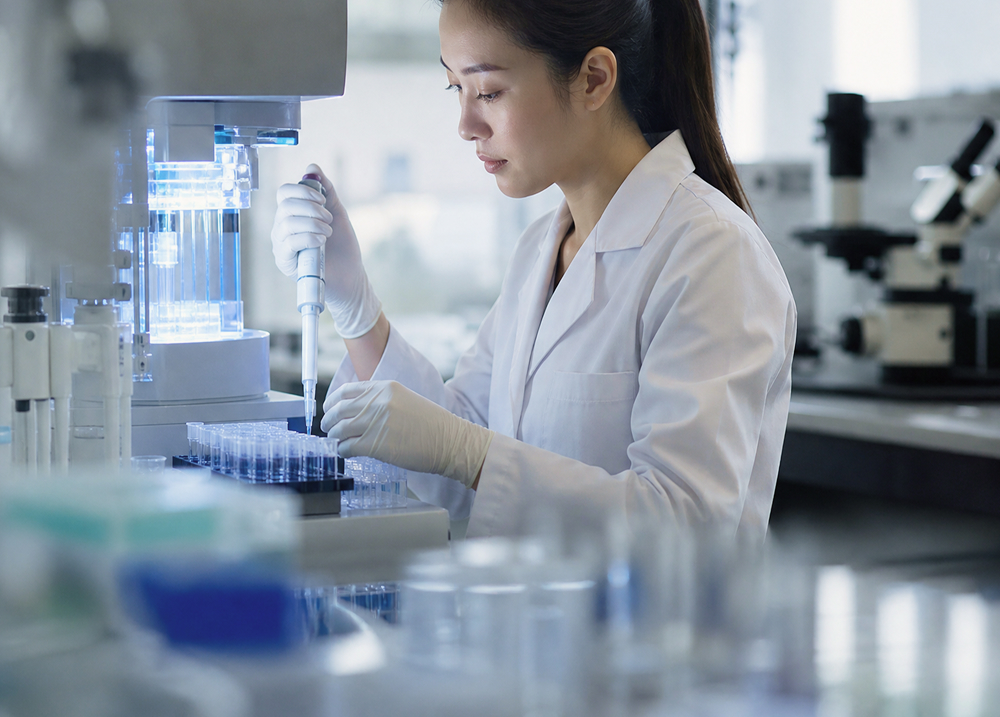
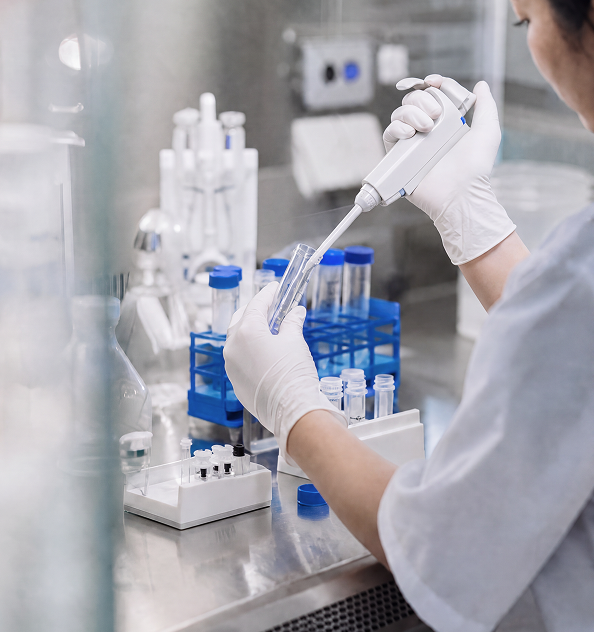
MACS Sperm Selection for ICSI
Sperm selection using the MACS technique for ICSI is an innovative sperm screening technique that uses a magnetic field to separate deteriorated cells or sperm with damaged genetic material (DNA), allowing sperm with the highest level of integrity to be selected for fertilization using the ICSI method. This technique helps improve embryo quality, reduce the risk of miscarriage, and effectively increase the chance of successful pregnancy, especially among people with infertility, those who have undergone IVF but experienced failure, those with a history of recurrent miscarriage, or male partners with poor sperm quality.
Sperm selection is one of the most important steps in infertility treatment using IVF (ICSI). However, conventional sperm selection processes may cause some sperm cells to die (Apoptotic Spermatozoa). When dead sperm cells become mixed with normal sperm, the quality of the collected semen sample may become compromised. This may be one of the important factors contributing to unsuccessful IVF treatment as expected.
To help make sperm selection more effective, the MACS Sperm technique is now used to help separate sperm with partial cell death, thereby increasing the chance of successful IVF treatment. To provide a better understanding for couples who are planning infertility treatment, we will take a closer look at sperm selection using the MACS technique, including what MACS Sperm is, why people who want to have children should learn about this technique, and how using MACS Sperm for sperm selection may help increase the chance of pregnancy.
Including the MACS Column, which is an important device containing a magnetic field used to separate sperm, and prepare all equipment for the process.
The semen sample is collected and prepared according to laboratory standards to obtain suitable sperm for the selection process.
The sperm are incubated in a special solution containing magnetic particles, which have the ability to bind to Phosphatidylserine (PS) on the cell membrane of sperm that are undergoing Apoptosis.
The sperm that have passed through the separation process and have the best quality will undergo further semen preparation to be ready for fertilization and will then be used in the IVF or ICSI process.
Sperm quality plays an important role in fertilization and embryo development. If deteriorated sperm or sperm with DNA damage are present, they may affect treatment outcomes. Therefore, selecting suitable sperm is another step that doctors may consider.
The MACS technique uses magnetic particles that can bind to Phosphatidylserine (PS), which is found on the cell membrane of sperm undergoing Apoptosis. When passing through the MACS Column, these sperm will be retained, while sperm that do not bind to the magnetic particles can pass through and be collected for further use.
The process begins by preparing the equipment and MACS Column, followed by collecting and preparing the semen sample according to laboratory standards. The sperm are incubated with a solution containing magnetic particles before passing through the Column separation process. The selected sperm are then prepared for use in IVF or ICSI.
MACs selection helps reduce the proportion of sperm that are abnormal or undergoing the process of cell death, resulting in a group of sperm that may be more suitable for fertilization. This may help support embryo quality and treatment outcomes.
It may be considered for couples with factors related to sperm quality, such as male partners with high DNA Fragmentation, previous failure with IVF, ICSI, or IMSI, a history of recurrent miscarriage, or factors that may affect sperm DNA, such as older age, smoking, heavy alcohol consumption, or high levels of stress.
MACS Sperm is a technique for selecting high-quality sperm using the principle of Magnetic-Activated Cell Sorting (MACS) to help increase the chance of pregnancy for couples experiencing infertility. The principle of this method is to use nano-sized magnetic particles coated with special protein substances that have the ability to bind to sperm with DNA damage or sperm that are entering the process of cell death (Apoptosis), which are sperm with a lower chance of fertilization.
Through this process, low-quality sperm are precisely separated, leaving only sperm with excellent quality and intact genetic structures to be used in the IVF or ICSI process.
In the IVF process, sperm must be collected from the male partner to be used for fertilization with the female partner’s egg, resulting in fertilization and embryo development. The embryo is then transferred back into the female partner’s uterine cavity for pregnancy to occur.
However, if the sperm are not sufficiently healthy, the chance of fertilization will also decrease. In addition to improving the accuracy of sperm selection using the MACS (Magnetic Activated Cell Sorting) technique for ICSI, this technique can also help separate sperm with partial cell death (Apoptotic Spermatozoa) or insufficiently healthy sperm.
This results in a more intact sperm sample for fertilization with the female partner’s egg, which can contribute to a higher fertilization rate, reduce embryo abnormalities, and effectively increase the chance of successful pregnancy.
Sperm selection using MACS for ICSI provides several benefits for infertility treatment, as follows:
MACS Sperm technology is a highly suitable option for couples experiencing infertility who meet the following indications:
Conventional sperm selection mainly focuses on examining the external morphology and motility of sperm under a microscope. In contrast, the MACS technique uses a magnetic field to screen more deeply at the level of “DNA quality” by capturing sperm that are deteriorating or have hidden damage and separating them out. This helps obtain sperm with a higher potential for fertilization and better overall quality.
Sperm selection using MACS for ICSI is a technology that can genuinely help improve sperm quality, especially in cases where the male partner has severe sperm problems, such as a high level of DNA Fragmentation, or has previously undergone ICSI but the embryos failed to develop. Using MACS to select the best-quality sperm can significantly increase the success rate in these patient groups.
The MACS technique does not increase the number of sperm, but helps select the highest-quality sperm from the limited number available. Therefore, in cases where the male partner has a low sperm count, doctors may recommend using MACS together with ICSI to maximize the chance of successful fertilization by using a single sperm for each egg.
MACs 技术不会增加精子的数量,但可以从有限的精子中筛选出质量最高的精子。因此,在男性伴侣精子数量较少的情况下,医生可能会建议将 MACs 与 ICSI 一起使用,通过每个卵子使用一个精子进行受精,最大限度地提高成功受精的机会。
Using sperm with the most intact DNA structure for fertilization plays an important role in helping embryos develop completely and have better quality. This can result in a reduced risk of miscarriage, although overall success also depends on other factors, such as egg quality and uterine readiness, among others.
It is not necessary in every case. A specialist will assess and determine whether it is appropriate for each couple by evaluating sperm quality, previous treatment history, and other risk factors in order to select a technique that provides appropriate value and the best possible chance of success.