HBA Test is another option for assessing sperm quality to help increase the chance of successful pregnancy. In general, infertility can be caused by various factors. However, when it comes to factors related to the male partner, they can be found in approximately 30–40% of couples with infertility, with one of the important causes being poor sperm quality.
At present, innovations in sperm quality testing at the molecular level have become more detailed. One of these is the HBA Test, which helps assess sperm quality at a more detailed level than standard testing. The results can then be applied to assisted reproductive technology treatments more effectively.
The Hyaluronan Binding Assay (HBA) is a test used to evaluate sperm quality and maturity by assessing the sperm’s ability to bind to hyaluronic acid, a major component of the cumulus oophorus layer surrounding the oocyte. Mature and high-quality sperm possess receptors on their heads to bind with hyaluronic acid.
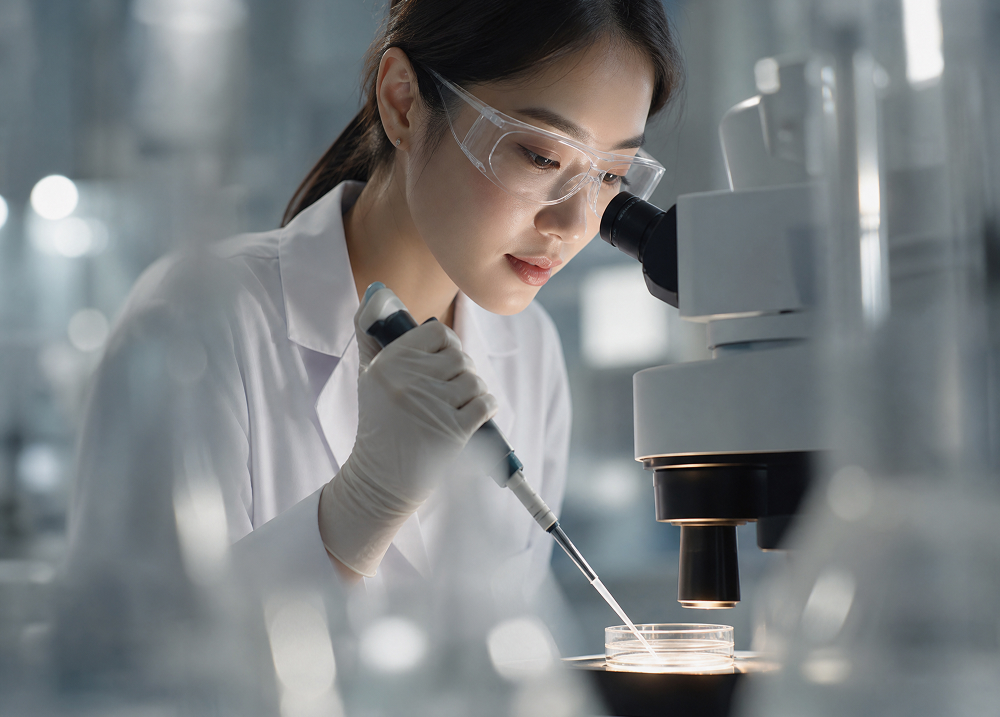
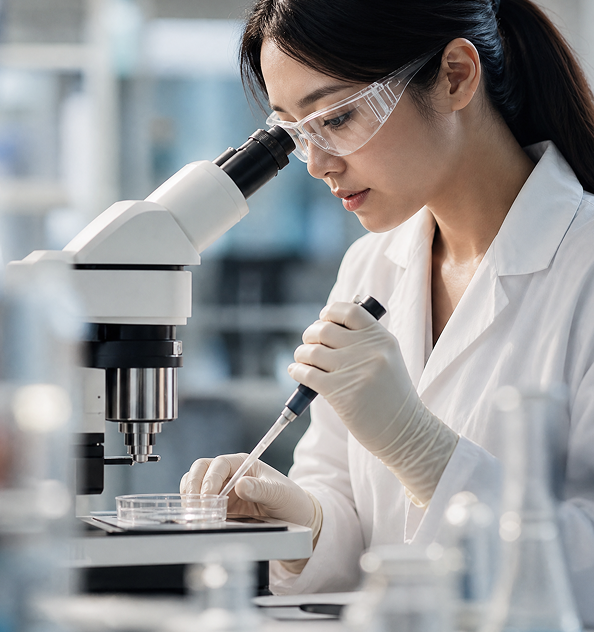
The testing procedure begins with the male partner collecting a semen sample following medical and laboratory instructions. Next, a scientist prepares the semen sample for the assay. The scientist places a drop of the sperm sample onto an HBA Slide (a ready-to-use slide coated with hyaluronan within the test chamber) and covers it with a coverslip. The slide is left for a period to allow the sperm to react and bind with the substance on the slide, during which mature sperm with receptors attach to the coated hyaluronan layer.
The slide is then examined under a microscope, where the scientist counts and differentiates between bound sperm and unbound sperm. The result is calculated as a percentage (HBA Score), with a normal reference value of greater than 65%. A lower score indicates low sperm maturity, which may require special techniques such as PICSI to assist with fertilization.
If the HBA Test result does not meet the standard, this may lead to the use of the PICSI (Physiological ICSI) technique for sperm selection. The PICSI Dish is a special culture dish coated with Hyaluronic Acid, which is used to select good-quality sperm for the next stage of infertility treatment.
Sperm that can bind to Hyaluronic Acid in the PICSI Dish will be selected for direct injection into the female partner’s egg. This technique can help improve embryo quality and increase the chance of successful pregnancy.
Currently, VFC Center uses the PICSI Dish technique to select good-quality sperm. It is a technology based on the same principle as the HBA Test, but it can be used immediately during the treatment process without the need for prior screening.
The advantages of using the PICSI Dish include saving both time and costs, reducing repeated handling of samples that may affect sperm quality, and allowing good-quality sperm to be selected directly during the ICSI process.
Effectiveness of Using PICSI in the ICSI Process
Using the PICSI technique in the ICSI process helps increase the fertilization rate and also results in good-quality embryos, together with an increased embryo implantation rate, a reduced miscarriage rate, and a higher pregnancy success rate. It can help increase the chance of live birth for couples of advanced age and help alleviate the poor prognosis that often occurs in older mothers. It may also provide better treatment outcomes after previous ICSI failure.
การใช้เทคนิค PICSI ในกระบวนการ ICSI ช่วยให้มีอัตราการปฏิสนธิที่สูงขึ้น ทั้งยังทำให้ได้ตัวอ่อนที่มีคุณภาพ ควบคู่ไปกับอัตราการฝังตัวของตัวอ่อนที่เพิ่มขึ้น อัตราการแท้งลดลง และอัตราความสำเร็จในการตั้งครรภ์สูงขึ้น ช่วยเพิ่มโอกาสในการคลอดบุตรมีชีวิตสำหรับคู่รักที่มีอายุมาก และช่วยบรรเทาภาวะการณ์พยากรณ์โรคที่ไม่ดีที่มักจะเกิดขึ้นในคุณแม่สูงวัย รวมถึงอาจให้ผลการรักษาที่ดีขึ้นหลังจากเคยล้มเหลวจากการทำ ICSI มาก่อน
A standard semen analysis examines only the sperm count, morphology, and motility, while the HBA Test evaluates sperm quality at the molecular level by assessing the ability of sperm to bind to Hyaluronic Acid.
Yes. The PICSI Dish uses the same principle as the HBA Test to select sperm that are capable of binding to Hyaluronic Acid. Using the PICSI Dish directly therefore saves more time and costs, while still providing equivalent results.
Studies have shown that the pregnancy rate increases by 10–15% when compared with standard ICSI.
PICSI is a safe technique with no additional side effects. It simply improves the method of sperm selection.